





Too Hot to Handle: How Hot Is Too Hot to Work?
The Quick Answer: There is no single legal temperature cutoff to stop working. The number that actually matters is the heat index (temperature + humidity), not the thermometer. OSHA’s proposed guidelines trigger baseline protections at a heat index of 80 degrees F and high-heat protections at 90 degrees F.
If you run a crew, you know heat doesn't knock before it walks in. One guy goes quiet, stops sweating, and ten minutes later you're dialing 911. Heat is the most preventable hazard on the jobsite, yet it remains the most likely to take a worker down on an ordinary day.
Here is exactly how to gauge the danger, spot the warning signs, and pick the gear that keeps your crew safe and productive.
How Hot Is "Too Hot" to Work?
Forget the air temperature on your weather app. The heat index combines air temperature and relative humidity to measure what the weather actually feels like to a working body.
Source: National Weather Service & the OSHA-NIOSH Heat Safety Tool App.
Watch Out: Environmental factors matter. If your crew is wearing heavy PPE, working on hot roofs, or dealing with unacclimatized new hires, danger can spike below 80 degrees F.
Heat Exhaustion vs. Heat Stroke: The Warning Signs
Heat stroke hits the brain first. A worker often won't realize they are in trouble, which is why buddy checks beat self-reporting every time. Train your crew to spot the difference immediately:
Link to cooling on website
Myths & Broken Fixes
| Heat Index | Risk Level | What It Means for the Crew | Required Action |
| 80 degrees F - 90 degrees F | Caution | Fatigue and cramps possible with prolonged work. | Water every 15–20 mins; closely monitor new hires. |
| 91 degrees F - 103 degrees F | Extreme Caution | Heat exhaustion likely; cramps common. | Mandatory shade breaks, buddy checks, cooling gear. |
| 103 degrees F - 124 degrees F | Danger | Heat exhaustion likely; heat stroke possible. | Reschedule heavy work; rotate crews; active cooling. |
| 125 degrees F+ | Extreme Danger | Heat stroke imminent. | Stop work or shift to nighttime hours. |
- Heat Exhaustion (Get to shade & water): Heavy sweating, dizziness, headache, nausea, weakness, clammy skin, and a fast, weak pulse.
- Heat Stroke (911 Emergency): Confusion, slurred speech, hot/red skin (may be dry or sweating), fainting, or seizures.
- New Workers: Limit them to 20% of their normal work duration in the heat on Day 1. Increase their time by no more than 20% each subsequent day.
- Returning Workers (Away 1+ weeks): Schedule them for 50% on Day 1, 60% on Day 2, 80% on Day 3, and 100% on Day 4.
| Gear Type | How It Works | Best For | Watch-Out |
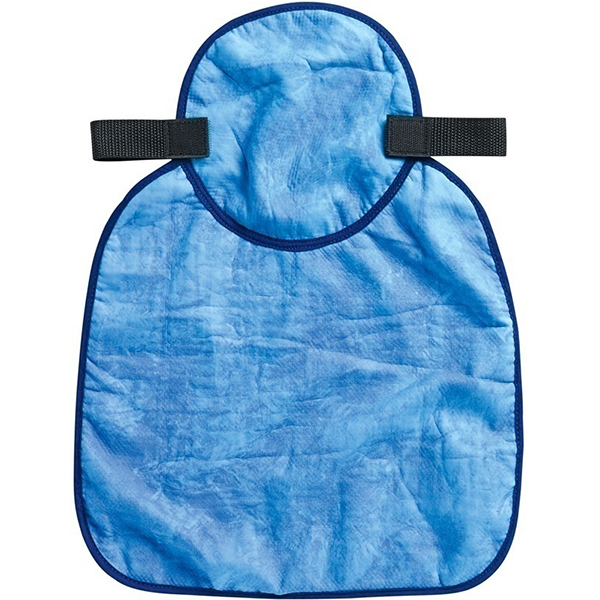
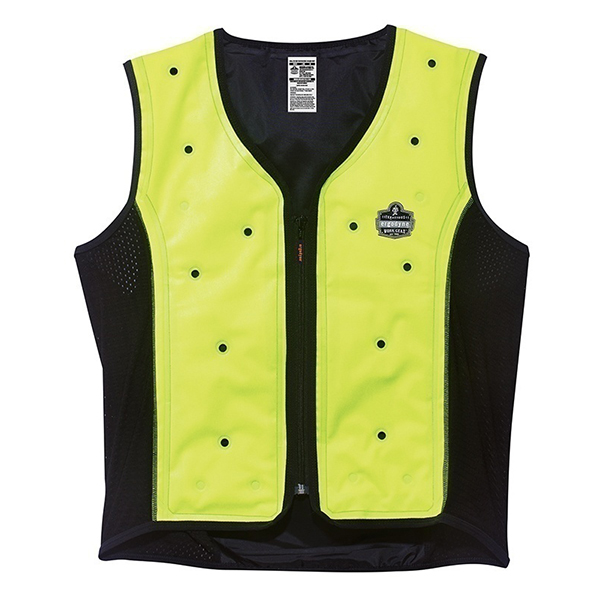
| Evaporative Vests & Cooling Towels | Soaked in water; evaporation pulls heat away from the body. | Dry heat & moderate humidity. | Loses effectiveness in high humidity; requires frequent re-wetting. |
| Phase-Change Vests | Removable, chilled inserts maintain a constant cool temperature for hours. | High humidity, stagnant air, & long shifts. | Inserts must be refrozen/recharged; adds slight weight to the worker. |
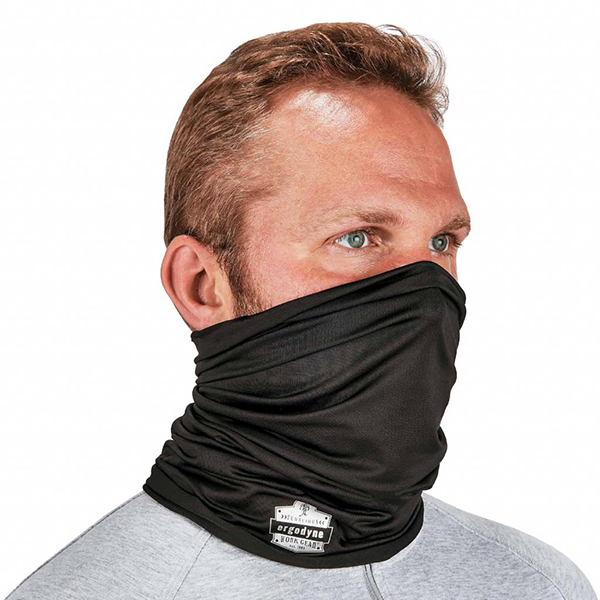
| Cooling Neck Gaiters & Wraps | Target evaporative cooling directly over major blood vessels in the neck. | Fast, targeted, and universal relief. | Must be kept wet; can feel clammy if humidity is extremely high. |
| Moisture-Wicking Hi-Vis | Pulls sweat off the skin to dry quickly while maintaining Class 2/3 visibility. | All outdoor and active crews. | Avoid standard cotton tees underneath—they trap sweat and heat. |
| Vented Hard Hats & Sun Shields | Promotes airflow over the scalp and blocks direct UV rays from the neck and ears. | Roofers, lineworkers, and open, unshaded sites. | Ensure any aftermarket attachments keep the ANSI Type rating valid. |
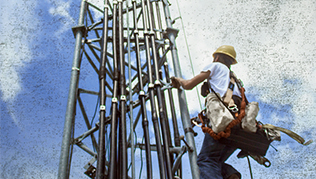
| Hydration Packs (Backpacks) | Keeps cold water hands-free and within arm's reach at all times. | Tower climbers, scaffold builders, & remote crews. | Bladders must be cleaned regularly to prevent bacteria and mold. |
| Electrolyte Mixes | Restores vital minerals (sodium, potassium) lost in sweat to prevent cramping. | Heavy sweaters & crews working long shifts in extreme heat. | Avoid high-sugar "energy" drinks; they can cause stomach upset. |
- "Toughing it out": Heat illness is a hard physical limit, not a mindset. The toughest worker is often the one who pushes straight into a medical emergency.
- Energy Drinks & Alcohol: Both are diuretics that actively dehydrate the body. Stick to cool water (50-60 degrees F) and electrolyte mixes.
- Salt Tablets: These frequently cause stomach upset and dangerous spikes in blood pressure.
- Assign a Safety Lead: Designate someone to track the daily heat index.
- Set Triggers: Establish clear action steps when the heat index hits 80 degrees F and 90 degrees F.
- Provide Essentials: Ensure clean water, dedicated shade/cooling zones, and appropriate gear are on-site.
- Enforce Acclimatization: Put the Rule of 20% in writing for all new hires.
- Schedule Smart: Shift heavy labor to cooler morning hours and enforce mandatory rest rotations.
- Train the Crew: Ensure every worker knows how to spot symptoms and run a buddy check.
- Map Emergency Response: Have a clear protocol for cooling a worker while waiting for 911.
- OSHA, Heat Injury and Illness Prevention Rulemaking:
- Read the official proposed rule on the Federal Register: Heat Injury and Illness Prevention in Outdoor and Indoor Work Settings.
- Review the preliminary regulatory framework outline via OSHA's Heat Regulatory Framework.
- OSHA, Protecting New Workers (Acclimatization & the Rule of 20%):
- Find detailed guidance and the "Rule of 20 Percent" protocols on the OSHA Protecting New Workers Portal.
- Review general preventive measures on the OSHA protecting workers from the effects of heat resource page.
- OSHA, National Emphasis Program (Directive CPL 03-00-024):
- Read the complete enforcement policy document at OSHA Directive CPL 03-00-024 (PDF).
- National Weather Service, Heat Index Guidelines:
- Review the standard reference tables on the NWS Heat Index Page.
- Calculate apparent temperature and view risk thresholds on the NWS Heat Index Chart.